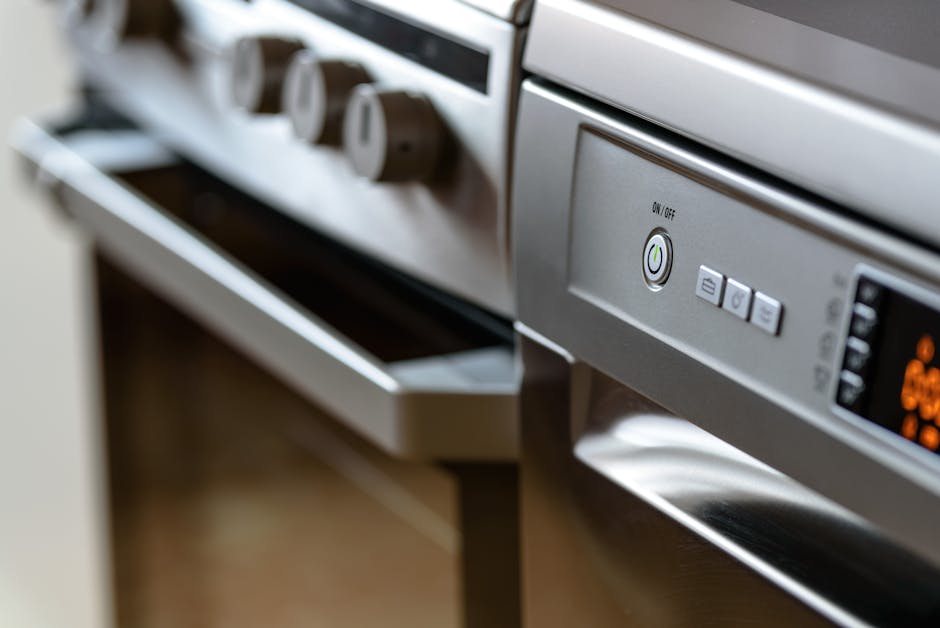
Romford Road oven cleaning services for Harold Park kitchens
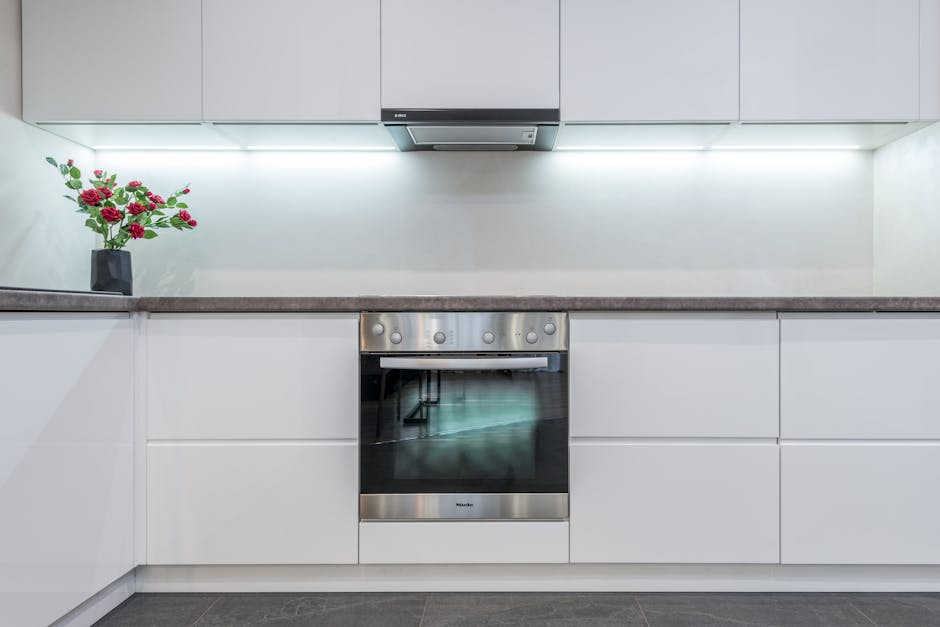
If your oven has gone from "well used" to "how did it get like that?", you are not alone. In Harold Park, kitchens work hard. Weeknight dinners, Sunday roasts, quick tray bakes, the odd takeaway reheat that leaves a trail behind it - it all adds up. Romford Road oven cleaning services for Harold Park kitchens are designed to cut through that baked-on mess and bring the appliance back to a cleaner, safer, more usable state. This guide explains what the service involves, who benefits from it, what to expect on the day, and how to judge quality without getting lost in sales talk.
We will keep it practical. No fluff. Just the kind of information that helps you decide whether a professional oven clean makes sense for your home, your schedule, and your kitchen routine. And yes, we will also cover the bits people often forget, like preparation, safety, and the difference between a quick tidy-up and a proper deep clean.
Why Romford Road oven cleaning services for Harold Park kitchens Matters
An oven is one of those appliances people tend to ignore until it starts smoking, smelling, or baking unevenly. Then it becomes impossible to ignore. In a busy Harold Park kitchen, a neglected oven can affect far more than appearance. Grease buildup can create unpleasant odours, burnt-on residue can smoke during cooking, and dirty fan covers or seals can make the appliance work harder than it should.
Truth be told, most people do not need a lecture about why cleaning matters. They need to know whether a professional oven clean will actually solve the problem. The short answer is usually yes, especially if the appliance has layers of carbonised grease, stubborn splatters on the glass, or removable parts that are too awkward to scrub properly at home.
There is also a comfort factor. When the oven is clean, the whole kitchen feels calmer. You open the door and do not get that wave of stale, burnt smell. Food looks more appetising because you are not cooking in a box full of old residue. It is a small thing, maybe, but small things matter every day.
For households near Romford Road and across Harold Park, this service is especially useful where family schedules are busy, shared kitchens get heavy use, or landlords and tenants need a dependable reset between occupancies. A good clean is not just cosmetic. It supports hygiene, cooking performance, and a better overall kitchen environment.
If you are comparing services, it can help to look at the wider provider too. A company that explains its approach clearly and keeps its customer information transparent, such as its about us page and pricing and quotes guidance, usually gives you a better sense of what to expect before anyone arrives at the door.
How Romford Road oven cleaning services for Harold Park kitchens Works
A professional oven cleaning visit is usually more methodical than people expect. It is not a quick spray-and-wipe job. The process typically starts with an inspection of the appliance, including the interior cavity, racks, trays, door glass, seals, knobs, and sometimes the extractor area if that is part of the job. The cleaner then identifies what can be removed safely and what needs careful, non-abrasive treatment.
Most oven cleaning services use specialist solutions and equipment that are designed to break down grease and carbon without damaging the finish. The exact method depends on the oven type. A standard fan oven, a range cooker, a compact built-in model, and a double oven all have slightly different pain points. There is no one-size-fits-all approach here, which is why experience matters.
Typically, removable parts are taken out and cleaned separately. That may include shelves, racks, side panels, trays, and sometimes the oven fan cover if it is accessible and safe to remove. Meanwhile, the main cavity is treated, paying close attention to stubborn build-up around the back, ceiling, floor, and door edges. On a really bad one, you can often hear the quiet scrape of loosened residue coming away. Satisfying, honestly.
The clean usually finishes with reassembly, a final polish, and a check that all components are dry, seated properly, and ready for use. Some cleaners will also offer advice on when to switch the oven back on or how long to leave it ventilating. That small bit of aftercare is useful. It saves guesswork.
For households with broader cleaning needs, it can also be useful to know that the same provider may support other home cleaning services such as carpet cleaning, upholstery cleaning, or stain removal. That does not change the oven service itself, but it can make it easier to plan a wider home refresh in one go.
Key Benefits and Practical Advantages
The obvious benefit is a cleaner oven. But if that were the whole story, people would do it more often. The real value comes from what follows.
- Better cooking performance: Heat spreads more evenly when racks, fans, and interior surfaces are not coated in grime.
- Less smoke and smell: Burnt grease is one of the main causes of those unpleasant cooking fumes no one wants drifting through the house.
- Improved hygiene: Food spills and grease residue are not ideal in any kitchen, especially where meals are prepared daily.
- Time saved: A proper deep clean is usually far more efficient than spending an entire weekend scrubbing with weak results.
- Longer appliance life in practice: While no cleaner can promise miracles, regular maintenance helps prevent avoidable strain and wear.
There is a psychological benefit too. You are more likely to use your oven properly when it is clean. People notice this more than they expect. If the interior is discoloured and sticky, cooking feels like a chore before you even begin. A fresh-looking oven changes that mood. It sounds a bit dramatic, but it is true.
Professional cleaning also helps with the awkward bits many homeowners put off, such as glass panels, fan covers, hinge areas, and spaces behind removable seals. Those are the places where greasy residue loves to hide. If you have ever cleaned the door and thought, "that looked better for about ten minutes", you will understand the point.
For anyone who cares about how the home is managed overall, it may be useful to look at a provider's commitment to practical matters too. Pages such as health and safety policy, insurance and safety, and recycling and sustainability can help you judge whether the business takes safe working methods and responsible disposal seriously.
Who This Is For and When It Makes Sense
Romford Road oven cleaning services for Harold Park kitchens are a good fit for more people than you might think. They are not just for households with a visibly grimy cooker. They are for anyone who wants a safer, cleaner, more manageable kitchen without spending half a day on their knees with a scraper and a prayer.
This service makes sense if:
- your oven has heavy grease or carbon build-up;
- you are moving in or out of a property;
- you are preparing a kitchen for guests, family gatherings, or an event;
- smoke appears when the oven heats up;
- the glass door no longer looks clear;
- you have tried DIY cleaning products but the residue remains;
- you prefer to avoid strong fumes from supermarket cleaners;
- you manage a rental home and need a reliable reset between occupants.
It is also sensible for busy families and working households. Let's face it, oven cleaning is one of those jobs that keeps getting moved to "next weekend". Then next weekend becomes next month. Professional help breaks that cycle. Nice and simple.
In some cases, the service may be paired with broader domestic maintenance planning. For example, if you are already reorganising the home, it might be a good moment to consider rug cleaning or sofa cleaning as part of the same seasonal refresh. Not always necessary, but sometimes it is the practical choice.
Step-by-Step Guidance
If you are new to booking an oven clean, the process is easier than it sounds. Here is a sensible way to think about it.
- Assess the problem. Check where the build-up is worst: door glass, racks, seals, fan area, trays, or the cavity itself.
- Choose the right level of service. A light refresh is different from a deep restoration clean, so be clear about what your oven needs.
- Ask about methods. You want to know whether the cleaner uses removable-part soaking, non-abrasive products, and safe handling around electrics and seals.
- Prepare the space. Clear the area around the oven, remove loose items from nearby worktops, and make access easy.
- Allow time for inspection. Good cleaners will check the condition first. That is a good sign, not a delay.
- Let the technician work through each part methodically. Rushing an oven clean is how details get missed.
- Review the finished result. Check shelves, glass, corners, and the smell of the oven once it has aired.
- Follow the aftercare advice. If you are told to wait before heating the oven again, do that. Simple, but easy to skip.
A useful way to think about it is this: professional oven cleaning is part cleaning, part restoration, part careful handling. The technician is not just making it shiny. They are working on the appliance in a way that reduces risk and gets a better long-term result.
If you are comparing providers, do not be shy about checking practical details around payment and security and terms and conditions. These pages are not glamorous, admittedly, but they tell you a lot about how the business handles expectations and customer confidence.
Expert Tips for Better Results
There are a few small choices that make a surprisingly big difference. None of them are complicated.
- Be specific about the oven type. Mention whether you have a single oven, double oven, range cooker, or built-in model. The clean should match the appliance.
- Point out problem areas in advance. If the door seal, fan cover, or lower tray area is especially bad, say so at the start.
- Do not pre-soak everything yourself. A lot of DIY treatments leave residue that makes the professional clean harder, not easier.
- Keep the area accessible. A clear path and a bit of working space help the job go smoothly. No one loves climbing over recycling bags to reach an oven.
- Ask what aftercare is sensible. Some ovens need a short airing period before first use after cleaning.
- Schedule before the mess becomes structural. Once grease is heavily carbonised, the clean takes longer and may need more attention.
One small, very practical tip: if you cook frequently with roasting tins, foil splashes, or oil-heavy dishes, wipe the oven glass and the lip of the door more often between deep cleans. It takes about two minutes and saves a lot of hassle later. That tiny habit pays off more than most people realise.
And yes, it is perfectly fine to admit the oven has beaten you this time. It happens.
Common Mistakes to Avoid
Most oven cleaning problems come from trying to solve them too quickly or with the wrong products. A few mistakes show up again and again.
- Using harsh abrasives on glass or enamel. Scratching makes the surface harder to keep clean later.
- Spraying unsupported chemicals into sensitive areas. Seals, fans, and electrical components need careful treatment.
- Assuming every oven clean is the same. A deep clean for a neglected range cooker is not the same as a routine refresh on a small built-in oven.
- Ignoring the extractor and nearby splash zones. An oven does not live in isolation; the surrounding kitchen can affect the overall result.
- Choosing purely on price. Cheap can be fine, but only if the process, safety, and finish are also sound.
- Not asking about access and preparation. Small details matter, especially in compact kitchens.
A subtle mistake, and one people make all the time, is waiting until the oven is in a genuinely bad state before seeking help. By then, the clean is more difficult and the smell is worse. If your oven is already giving off a burnt odour after normal cooking, it is probably time.
If you are comparing services, a provider that is willing to talk through concerns and explain its process calmly usually feels more trustworthy. If something is vague or overly pushy, that is a sign to slow down and ask questions.
Tools, Resources and Recommendations
You do not need to be a cleaning expert to make a good choice here, but a few simple checks help. A reputable oven cleaning service should be able to explain its methods in plain English. That means describing what happens to removable parts, how the oven cavity is treated, and what care is taken around seals, fans, and finishes.
Useful things to ask about include:
- the type of cleaning products used;
- whether the cleaner handles racks and trays separately;
- how fragile components are protected;
- what to expect after the clean is finished;
- whether other kitchen-adjacent cleaning services are available if needed.
There is also value in checking the company's wider service pages if you are planning more than one job. For example, if the kitchen has spills that spread into nearby fabric or flooring areas, you may find it useful to look at steam carpet cleaning or curtain cleaning. If you have upholstery with grease marks or food stains nearby, upholstery cleaning may also be worth considering.
And if you are dealing with a stubborn stain rather than general grime, the service may be supported by more focused help such as pet stain and odour removal or targeted stain removal. Different problem, different treatment. Sounds obvious, but it is where a lot of people go wrong.
Law, Compliance, Standards, or Best Practice
For domestic oven cleaning in Harold Park, the most relevant issue is usually safe working practice rather than heavy regulation. In plain terms, you want a cleaner who works carefully around heat, electricity, cleaning chemicals, and delicate appliance finishes. That means sensible PPE where appropriate, clear handling of chemicals, and respect for your home environment.
If a provider sends someone into your kitchen, they should be able to work in line with basic health and safety expectations, use products responsibly, and carry suitable insurance. Those are not fancy extras. They are the minimum standard you should expect when someone is handling an appliance that gets hot, contains moving parts, and sits inside a lived-in home.
It is also normal good practice for a company to publish clear policies, handle complaints fairly, explain payment terms, and protect customer information. Pages such as privacy policy, complaints procedure, and accessibility statement are useful signals that the business takes those responsibilities seriously.
For landlords, letting agents, and property managers, there is an added practical angle: documented service quality reduces friction between moves, and a clean appliance helps a property present better without much drama. Honestly, that can save a lot of back-and-forth.
Options, Methods, or Comparison Table
There are several ways to deal with a dirty oven. The right choice depends on how bad the build-up is and how much time you want to spend on it.
| Method | Best for | Strengths | Limitations |
|---|---|---|---|
| Basic DIY wipe-down | Light surface grease | Cheap, quick, easy to repeat | Often misses baked-on residue and awkward parts |
| Shop-bought oven cleaner | Moderate grime | Widely available, good for routine upkeep | Strong smell, uneven results, can be messy |
| Professional deep oven clean | Heavy grease, carbon build-up, move-out cleans | More thorough, safer on components when done well, saves time | Costs more than DIY and needs a booked visit |
| Combined home cleaning visit | Whole-home refresh or end-of-tenancy preparation | Efficient for multiple jobs, consistent standards | Needs a bit more planning |
If you are on the fence, the main question is not "Can I scrub this myself?" It is "How much time, effort, and risk am I willing to accept for the result I want?" That is the real decision. For some people DIY is perfectly fine. For others, a deep professional clean is simply the sensible option.
Case Study or Real-World Example
Here is a typical real-world scenario. A Harold Park household uses the oven most evenings. Nothing dramatic, just normal life: tray bakes, roast chicken, the occasional pizza, a bit of bubbling sauce on the lower shelf. Over time, the oven glass clouds over, the bottom tray collects blackened residue, and every time the fan kicks in there is a faint burnt smell.
The owner tries a quick DIY clean on a Saturday afternoon. The shelves come out looking a little better, but the corners and fan area still look tired. The smell remains. By the time Monday rolls around, the oven is still annoying, and now the person has already spent an hour and a half on it. Not ideal.
A professional visit changes the picture. The removable parts are treated properly, the internal grease is broken down, and the glass gets back to a clearer finish. What stands out most is not just the shine. It is the feeling of starting again. The kitchen smells fresher, the oven heats without smoky drama, and cooking becomes normal again.
That is the kind of result people usually want. Not perfection for its own sake. Just a kitchen that works without fuss. To be fair, that is a decent goal for most homes.
Practical Checklist
Before you book, run through this simple checklist:
- Is the oven showing visible grease, carbon, or smoke during use?
- Do the door glass and inner surfaces need more than a quick wipe?
- Have you decided whether you need a single, double, or range cooker clean?
- Is there clear access to the kitchen and appliance?
- Have you checked the provider's pricing and quotes guidance?
- Do the company's policies on safety, payment, and privacy look clear enough?
- Are you happy with the estimated timing and any aftercare advice?
- Do you also want to tackle nearby upholstery, carpet, or stain issues at the same time?
If you can tick most of those off, you are probably ready. If not, pause for a moment and clarify the gaps. That is always better than rushing into a service you do not fully understand.
Get a free quote today and see how much you can save.
Conclusion
Romford Road oven cleaning services for Harold Park kitchens are about much more than making an appliance look nice. They help restore usability, reduce smoke and smells, improve everyday cooking, and take one stubborn job off your plate. For busy households, landlords, and anyone who has had enough of half-finished DIY scrubbing, that matters.
The best results usually come from clear expectations, sensible preparation, and a provider that explains its process without hiding behind jargon. If you choose carefully, the difference is obvious the moment you open the oven door. Cleaner, fresher, easier. Simple as that.
And sometimes, after a proper clean, you realise the kitchen feels a bit lighter too. Not bad for one appliance.
Frequently Asked Questions
What do Romford Road oven cleaning services for Harold Park kitchens usually include?
They usually include a deep clean of the oven cavity, racks, shelves, door glass, removable panels, and other accessible parts. Some services may also clean trays and fan covers where safe to do so.
How often should a home oven be professionally cleaned?
It depends on how often you cook and what you cook. Heavy-use kitchens may benefit from a professional clean more often, while lighter-use ovens may only need one when build-up becomes noticeable or before a property handover.
Is professional oven cleaning worth it if I already use supermarket cleaners?
Often yes, especially if residue is baked on or the smell keeps returning. Shop-bought products can help with light maintenance, but a deep professional clean is usually better for stubborn grease and hard-to-reach areas.
Will the oven be ready to use straight after cleaning?
Usually it can be used again after the cleaner has finished and any recommended airing period has passed. Always follow the aftercare advice given on site, especially if products or moisture need time to settle.
Can oven cleaning help with bad smells?
Yes. A lot of oven odours come from old grease, carbon, and food residue burning during use. Cleaning those away often makes a noticeable difference, though it may not solve every kitchen smell if the issue comes from elsewhere.
Do I need to do anything before the cleaner arrives?
It helps to clear access around the oven, remove items from nearby worktops, and mention any issues such as broken knobs, loose seals, or unusual appliance behaviour. A little prep saves time and avoids confusion.
Are Romford Road oven cleaning services suitable for landlords and move-out cleans?
Yes, very often. End-of-tenancy situations are one of the main times people book an oven clean, because a presentable appliance makes a property feel properly looked after.
Can oven cleaning damage the appliance?
It should not if done correctly. Good practice matters here: suitable products, careful handling, and attention to seals, electrics, and finishes. That is why experience and safety procedures are worth checking.
How long does an oven clean usually take?
That depends on the oven size and the level of build-up. A lightly soiled appliance may take less time than a heavily neglected one. The point is to do the job properly rather than rush it.
Is it safe to combine oven cleaning with other home cleaning services?
Yes, if it suits your needs and the provider offers the relevant services. People often combine oven cleaning with carpet, sofa, rug, or upholstery cleaning when they want a more complete home refresh.
What should I look for in a trustworthy oven cleaning provider?
Look for clear pricing, transparent policies, sensible safety information, and a willingness to explain the process in plain language. A trustworthy provider should make you feel informed rather than pressured.
Where can I ask about booking or service details?
If you want to talk through a booking, the most direct next step is to use the company's contact us page. That usually gives you the quickest path to a straightforward answer.